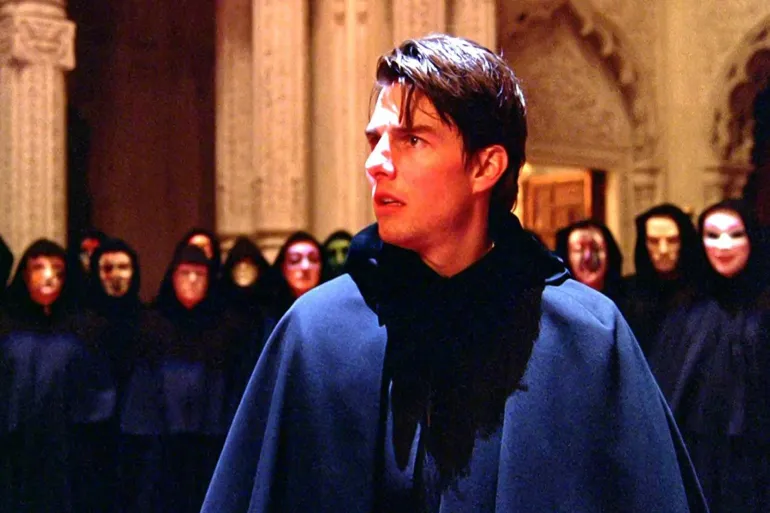
As Jeffrey Epstein’s name resurfaced in headlines and court documents last week, Stanley Kubrick’s 1999 film “Eyes Wide Shut” went viral on social media.
Users began sharing video clips and still images from the film, drawing comparisons. Some pointed to similarities between specific scenes and the realities of the Epstein case, such as private estates, exclusive gatherings, influential figures, and the secrecy surrounding wealth and power.
The connection seemed obvious, as both the film and the case revolve around concerns about elite immunity, power, and the possibility of some operating beyond public accountability. But the online discourse quickly moved beyond mere metaphor.
Posts and comments began detailing specifics, such as architecture and dress codes, to emphasize the parallels. The debate shifted from the film’s portrayal of reality to the parallels between reality and the film.
As testimonies, flight records, and photographs proliferated, the visual language of the Epstein case emerged, revealing its shortcomings: monitored entrances, anonymous participants, and silent witnesses in scenes of "wide-eyed defiance." The rituals of secrecy surrounding the case became routine, revealing a chilling entanglement and establishing a narrative space where both the film and the case lend credibility to one another.
This renewed prominence may not stem from any factual revelation linking Kubrick's film to Epstein's crimes, but it reflects how popular culture absorbs real-life scandals, especially when official information appears unconvincing or incomplete. The film's return to prominence indicates less about hidden evidence than a widespread public distrust of the official narrative.