Researcher: Political Challenges Continue to Hinder Financial Reform in Iraq
An Iraqi affairs researcher said external pressure alone is unlikely to bring about major changes to Iraq’s financial system, stressing that sustainable reform requires genuine domestic political will and broad institutional support.
She explained that the close links between financial institutions and the political elite have made structural reforms more difficult to implement, noting that efforts to develop the banking sector continue to face obstacles related to the lack of sufficient political backing.
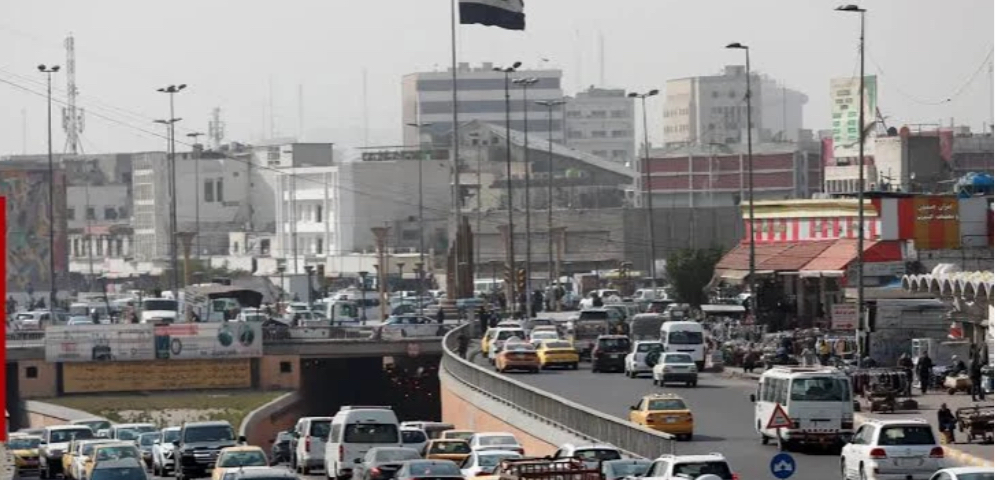
The remarks come amid growing discussions in Baghdad over the future of the Iraqi economy and ways to prevent potential financial crises, as the banking sector undergoes significant changes.
Meanwhile, an economic expert said Iraq’s banking sector is not facing a collapse, but rather a process of restructuring, reform and reassessment that may be difficult, yet necessary to prepare the sector for future growth.
Concerns have increased following the Central Bank of Iraq’s decision to place Al-Taif Islamic Bank under temporary guardianship for 18 months over financial violations. The decision prompted depositors to stage protests outside the bank’s branches in Baghdad and Basra, demanding the return of their funds and raising further concerns about public confidence in the banking system.