OPEC+ Delays 2027 Production Quota Review Amid Regional War Disruptions
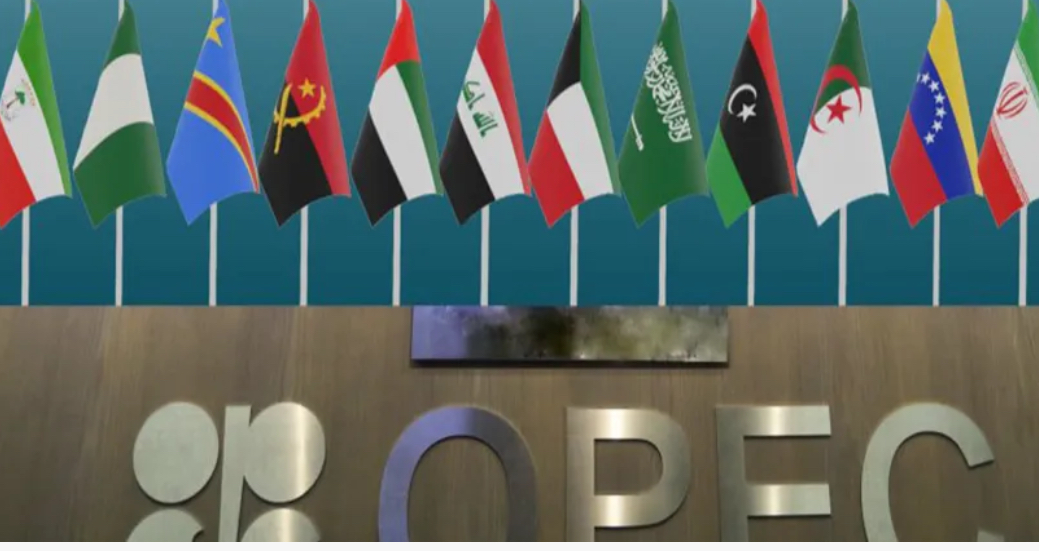
The OPEC+ alliance has postponed its review of member countries’ production capacities, a process that will help determine individual output quotas for 2027, amid the impact of the US-Israeli war with Iran and delays to projects aimed at expanding oil production capacity across the Middle East.
The alliance, which includes members of the Organization of the Petroleum Exporting Countries (OPEC) and non-OPEC producers such as Russia, had instructed all its members to conduct an independent assessment of their production capacity. The review was scheduled to be completed by the end of September 2026.
Two sources familiar with the matter told Reuters that the deadline has already passed without the review being completed. One of the sources said the assessment is now expected to be finalized by mid-November.
OPEC has not yet responded to a request for comment.
The regional crisis has delayed projects designed to increase production capacity in several OPEC+ countries, making it more difficult to assess how much oil each producer will be able to sustainably supply.
The sources said some countries had yet to submit the data required for the review, without identifying them.
The delay adds further complexity to a politically sensitive process within OPEC+, as the capacity estimates are expected to influence the amount of oil each member will be allowed to produce under future quotas.
The review is intended to provide an updated and independent assessment of the level of production each member can sustain. The findings are a key reference in negotiations over future production targets and could affect the assumptions underlying members’ quotas.
Countries found to have lower production capacity could face pressure to accept smaller quotas, while producers that have expanded their capacity may seek larger allocations.
The UAE had previously pushed for a larger OPEC+ production quota to reflect its increased capacity before withdrawing from OPEC in May. Reuters sources also reported in June that Iraq was seeking a larger production quota and had considered the possibility of leaving the organization.