Iraq’s Oil Revenues Fall 53% in Seven Months as Non-Oil Income Rises 23.5%
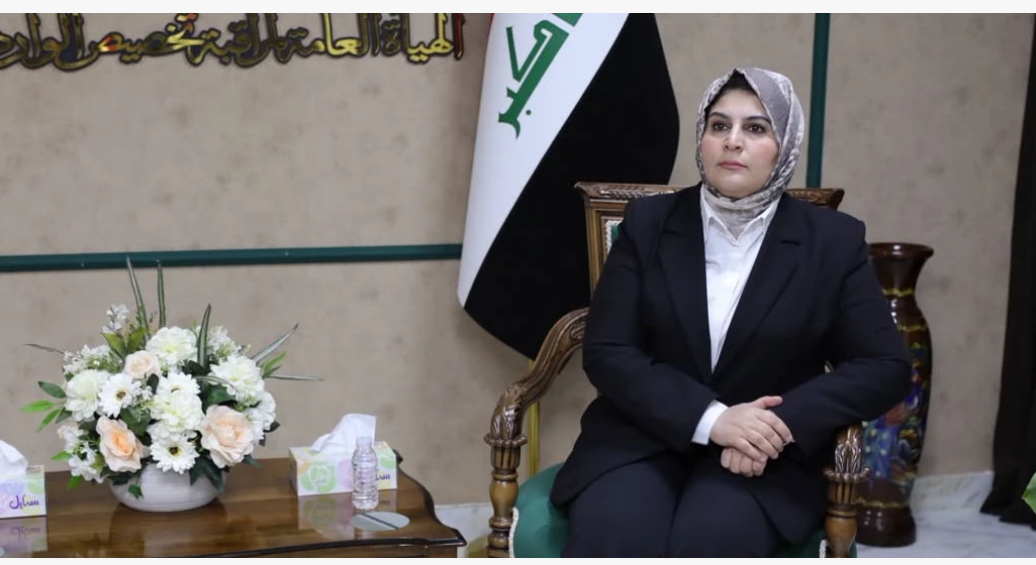
Iraq’s oil revenues declined by 53% during the first seven months of 2026 compared with the same period last year, while non-oil revenues increased by 23.5%, according to Susan Abdullah Mohammed, head of the Federal Public Authority for Monitoring the Allocation of Revenues, who disclosed the figures on Wednesday.
Mohammed said federal state account data issued by the Ministry of Finance’s Accounting Department through the end of July 2026 showed that total public revenues fell from approximately IQD 72 trillion during the corresponding period in 2025 to IQD 39.1 trillion, representing a decline of around 45.7%.
Oil revenues dropped from approximately IQD 65 trillion in the first seven months of last year to IQD 30.4 trillion during the same period this year, highlighting the substantial impact of declining oil income on Iraq’s federal finances.
By contrast, non-oil revenues climbed to approximately IQD 8.7 trillion, up from IQD 7.1 trillion in the corresponding period of 2025, marking an increase of 23.5%, Mohammed said.
She noted that oil revenues accounted for around 78% of total public revenues, down from approximately 90% a year earlier, while the relative contribution of non-oil income increased. However, she stressed that the improvement remains insufficient to offset the sharp decline in oil revenues.
Mohammed emphasized that expanding non-oil revenue sources has become a strategic necessity for achieving fiscal sustainability and reducing Iraq’s dependence on oil. She called for improvements to collection and tax administration systems, alongside stronger transparency and oversight of federal resources.
The decline comes as Iraq faces mounting financial pressures linked to the closure of the Strait of Hormuz amid the war. The waterway is a crucial route for Iraqi oil exports, while the country’s economy remains heavily dependent on oil revenues to finance its national budget.
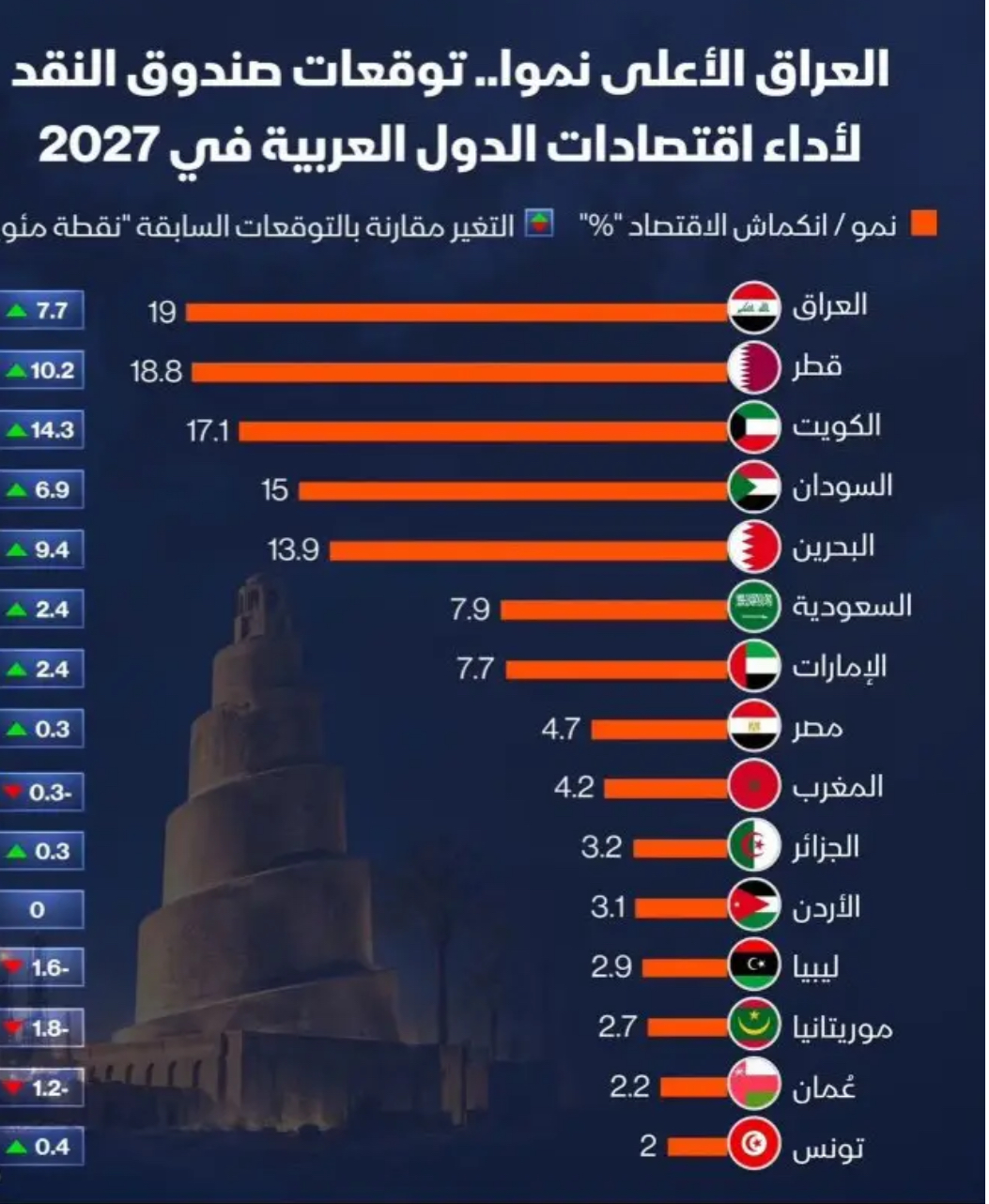
Separately, a recent International Monetary Fund report identified Iraq as one of the economies likely to be most affected by regional disruptions in 2026, with potential consequences for inflation, external accounts and public finances.