Iraq’s Al-Qurnain Oilfield Expected to Begin Initial Production in Early 2027
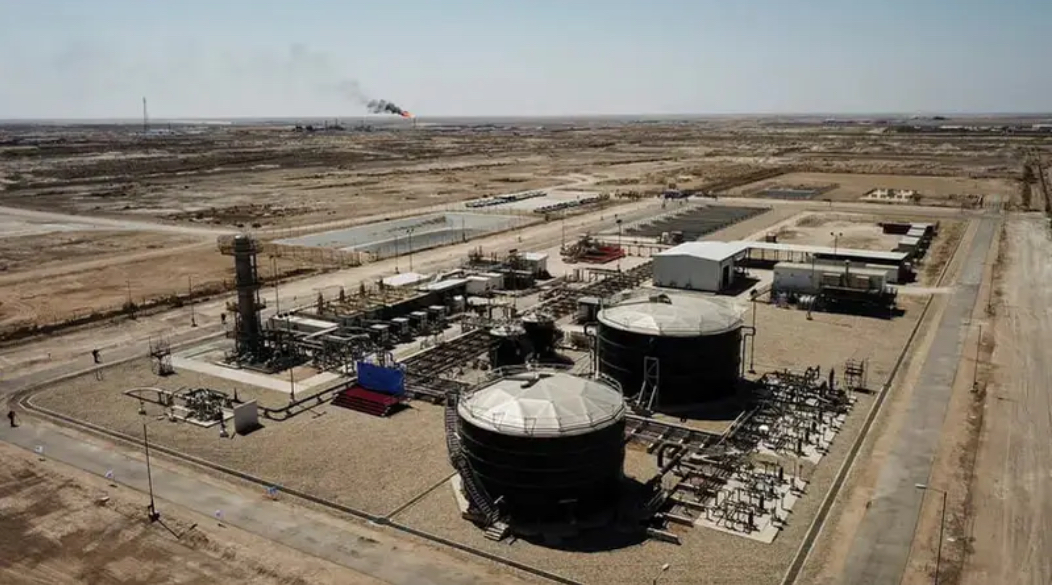
Abdul Hussein Al-Shibli, adviser to the Governor of Najaf, has forecast that initial crude oil production at the Al-Qurnain oilfield in Najaf Governorate will commence in early 2027, in cooperation with China’s ZhenHua Oil.
Al-Shibli stated that the first phase of the field’s development involves drilling four wells, with the first well expected to begin production in January. He noted that the initial output would be exploratory and experimental rather than commercial or export-oriented.
He explained that the early production phase aims to provide accurate operational data on the field’s actual reserves, replacing theoretical estimates with practical assessments. The results of the four wells will help determine the next stages of development, including connecting the field to nearby pipelines for crude oil exports or supplying local refineries.
According to Al-Shibli, the first exploratory well recorded initial production of approximately 3,240 barrels per day. He added that a clearer picture of the field’s reserves and production capacity is expected after June, once drilling and evaluation operations are completed.
He further noted that confirmation of the preliminary estimates could place Najaf among Iraq’s leading oil-producing governorates, potentially ranking first or second, depending on the actual results of the development operations.
The Al-Qurnain field is being developed by China’s ZhenHua Oil in cooperation with the Midland Oil Company. The Ministry of Oil announced its discovery in 2026. Preliminary estimates indicate that the field covers approximately 8,770 square kilometres and contains more than 8 billion barrels of potential light crude oil reserves, along with indications of associated gas deposits.
The project forms part of Iraq’s plan to increase crude oil production capacity from 4.8 million barrels per day to 10 million barrels per day by 2030, in cooperation with major international oil companies.