Urgent Appeal to the Prime Minister: Iraqi Sports Fans Demand the Removal of Political Favoritism from the National Team
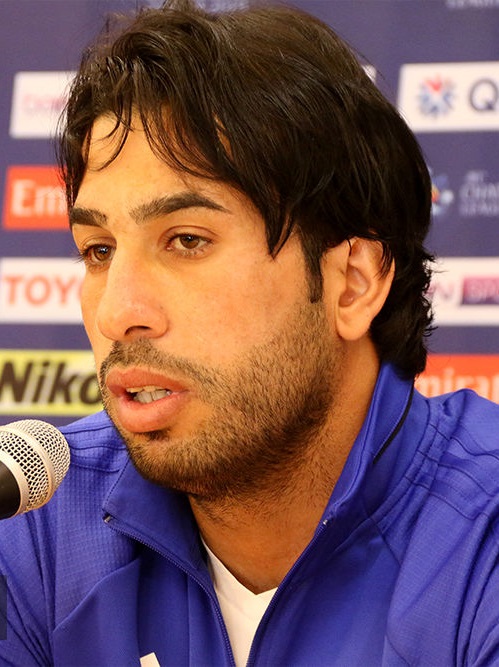
In recent months, Iraqi football has become a reflection of what many supporters describe as the worst forms of political and partisan interference, prompting growing calls to save what remains of the country's footballing reputation. The current controversy surrounding the national team has exposed what critics claim is a culture of favoritism, where players perceived as undeserving continue to secure places in the squad at the expense of merit and performance.
At the center of the criticism is goalkeeper Jalal Hassan, whom many fans and commentators regard as one of the least successful goalkeepers in Iraq's football history and among the weakest captains at the international level. Critics argue that the continued decision to field him in decisive and high-stakes matches despite a series of costly mistakes has raised serious questions about the criteria used in team selection.
The controversy has also brought renewed attention to a number of players frequently labeled by frustrated supporters as the national team's "dead weight," including Zaid Tahseen, Mustafa Saadoun, and Ibrahim Bayesh. According to their critics, these players have consistently failed to meet the standards expected of those representing Iraq on the international stage.
Many supporters direct their accusations toward political influence and partisan networks operating behind the scenes of Iraqi football. In particular, criticism has focused on Younis Mahmoud, who is often referred to in local sporting circles as the "spiritual father" of these controversial selections. Detractors argue that he has become a symbol of a system that protects favored individuals while undermining talented players who deserve opportunities based on merit.
Amid growing public frustration, millions of Iraqis are calling on Prime Minister Ali Al-Zaidi to intervene directly and bring an end to what they view as a continuing crisis within the national team. For many citizens, football remains one of the few sources of collective joy and national unity in a country that has endured decades of hardship. Supporters therefore argue that the sport should not be sacrificed to political agendas, favoritism, or narrow personal interests at the expense of the Iraqi people's passion and pride.