Iraq’s Central Bank Explains Dollar Rate Hike and Reasons Behind Parallel-Market Demand
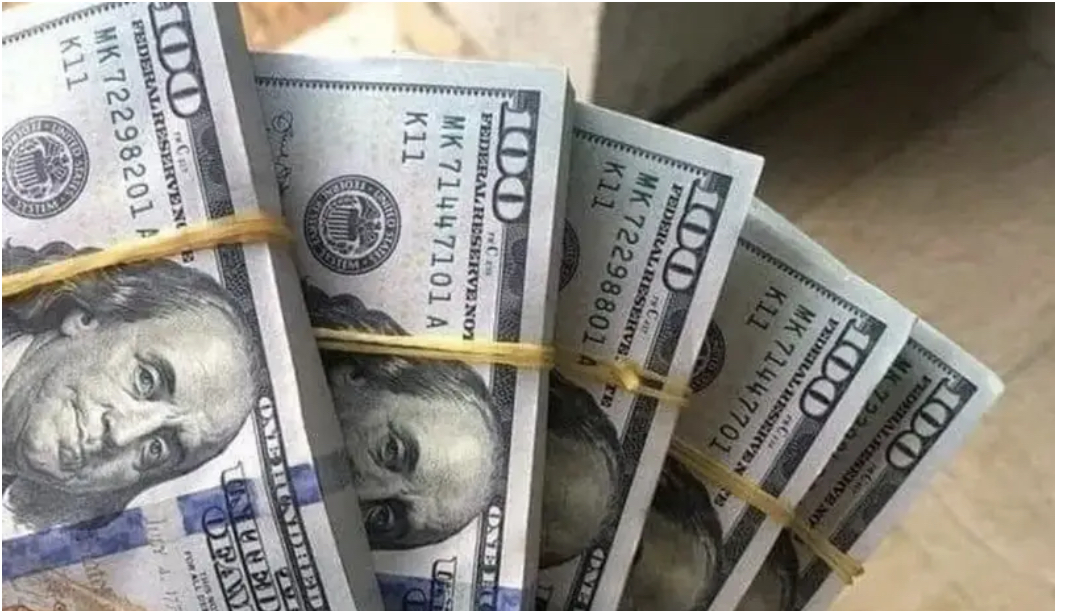
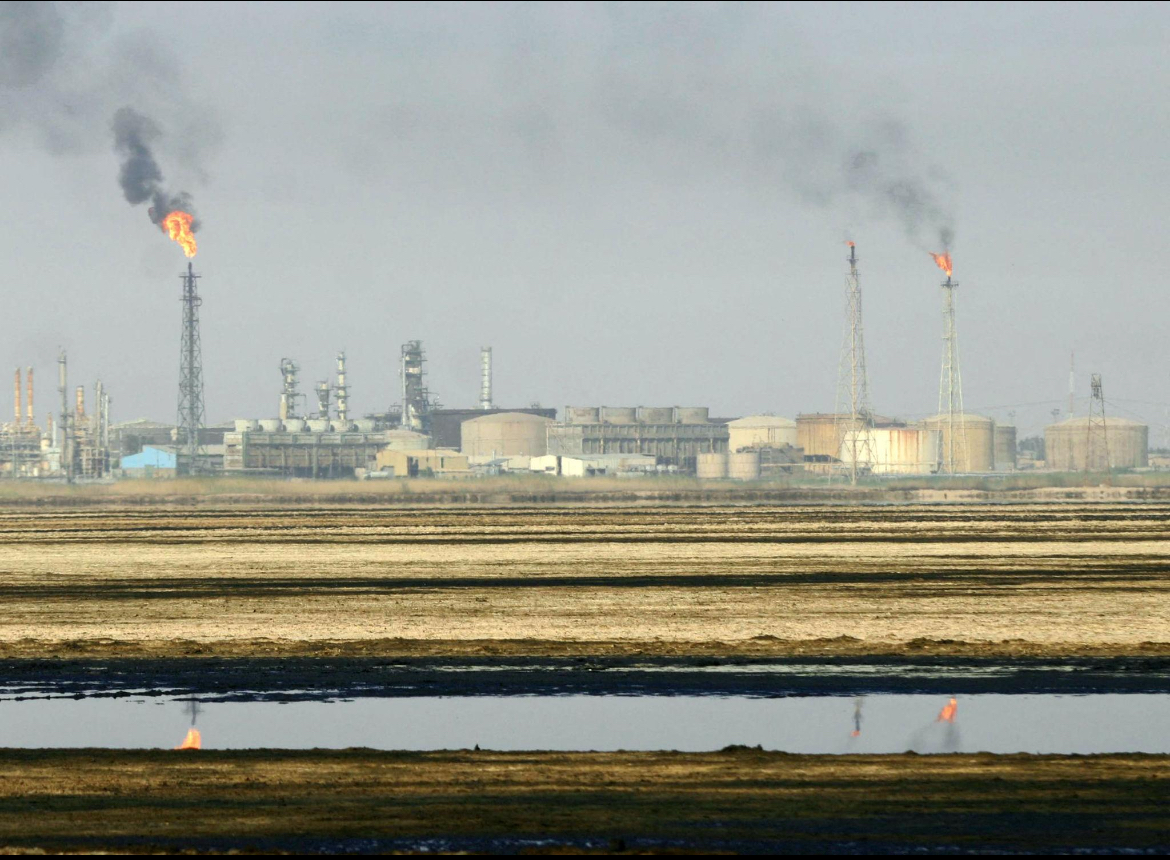
Iraq’s Central Bank has explained the reasons behind its decision to raise the dollar exchange rate against the Iraqi dinar, citing the exceptional economic conditions facing the country, including the closure of the Strait of Hormuz and declining oil exports, which have reduced government revenues.
Central Bank media office director Haider Ghazi said the decision was part of exceptional precautionary measures aimed at maintaining financial stability and securing funding for the state budget. He acknowledged that the move could have economic repercussions but argued that its impact would be less harmful than allowing the current financial situation to continue.
Ghazi also said the higher cost of imported goods could help strengthen domestic production and encourage greater reliance on Iraqi products. He noted that the gap between the official and parallel exchange rates is linked to both legitimate and informal trade activity.
He explained that some traders purchase dollars outside official banking channels to import goods that bypass customs, taxes and inspection procedures. The government, he added, is working to tighten border controls and improve inspections of goods entering the country.
Ghazi further said parliament is expected to examine the decision and may summon the Central Bank governor and finance minister to discuss its implications.